
Reading
At Aspin Park Academy, we believe reading is not only the key for academic success but is also a key life skill, and as such we are dedicated to enabling our children to become lifelong readers who recognise the enjoyment in ‘diving’ into a book.
Children learn to read through encountering challenging texts which forms the basis of most English lessons. Our reading lessons focus on developing children’s key skills in vocabulary, inference, prediction, explanation, retrieval, and summary/sequencing skills.
Each classroom has its own reading area where staff share their love of books with the children, recommending new and old favourites, and showcasing a range of text types. Reading timelines help children to read and re-read their favourites as well as make connections and compare texts.
We intend our children to know the following:
By the end of EYFS children should be able to decode 4/5 sound real and nonsense words using "Fred Talk" (see Phonics page) and read some common exception words. Children should be able to understand simple sentences, anticipate key events in stories and use recently introduced vocabulary. By the end of EYFS all children should know the 31 set 1 sounds and the 12 set 2 sounds.
By the end of Y1 all children should know the 31 set 1 sounds, the 12 set 2 sounds and the 17 set 3 sounds (60 sounds altogether).
By the end of KS1 children should be able to decode multi-syllabic real and nonsense words using "Fred in Head" as well as read many common exception words. Children should be able to discuss literature and link what they have read to their own experiences. Children should be able to join in with predictable phrases and discuss word meanings drawing on what they already know or on background information and vocabulary. Finally, children should be able to check that the text makes sense as well as make inferences, predict and explain clearly their understanding.
By the end of KS2 children should be able to talk about an increasingly wide range of literature including texts that are structured in different ways and used for a range of purposes. Children should be able to recommend texts as well as identify and discuss themes and make comparisons. Children should be able to check that the text makes sense and ask questions to further improve their understanding. Finally, children should be able to infer, predict and summarise literature as well as explain and provide reasoned justifications for their views.
Engaging teaching, high quality texts and the RWI scheme are key tools that are used to support the teaching of reading at Aspin Park. EYFS/KS1 children are encouraged to take their love of reading home with appropriate bookbag books and RWI storybooks that they have read in school as well as a reading for sharing book that they can select themselves from our school library. When children are competent with their accuracy and fluency, they progress from decodable books to free choice reading from class library selections or our main libraries.
At all stages throughout the school, we teach children the techniques that will build their vocabulary and allow them to search for meaning and inference in what they read. We do this by focusing on the domains donated by the acronym VIPERS (vocabulary, inference, prediction, explanation, retrieval and sequencing/summarising) and teaching children the necessary skills to master them.
The “Fab Five” books (books that are chosen and read repeatedly so that the children become familiar) are used in EYFS and Year 1. Individual reading to an adult continues throughout school.
Children will make good progress every year from their own starting points. Our children will use varied vocabulary (tier two) across a range of disciplines and will be able to confidently answer comprehension questions about a text. We hope that our children will learn to love reading and carry this skill into future life.
EYFS and Year One – Fab Five – Talk Through Stories
Each half term we delve into five books. These are books that both the children and staff love! They cover a range of text types and text structures. Each week the class studies the book using the reading domain VIPERS (vocabulary, inference, prediction, explanation, retrieval, and sequence). The children repeatedly rehearse a text so that by the end of the week, they can recite most of it off by heart using their newly acquired rich vocabulary. These lessons provide further opportunities for high-quality classroom talk, developing the children’s breath of vocabulary, and creating an even deeper love of reading. Additionally, the sessions support our children to find their reader identity, critique and evaluate books and make recommendations to others.
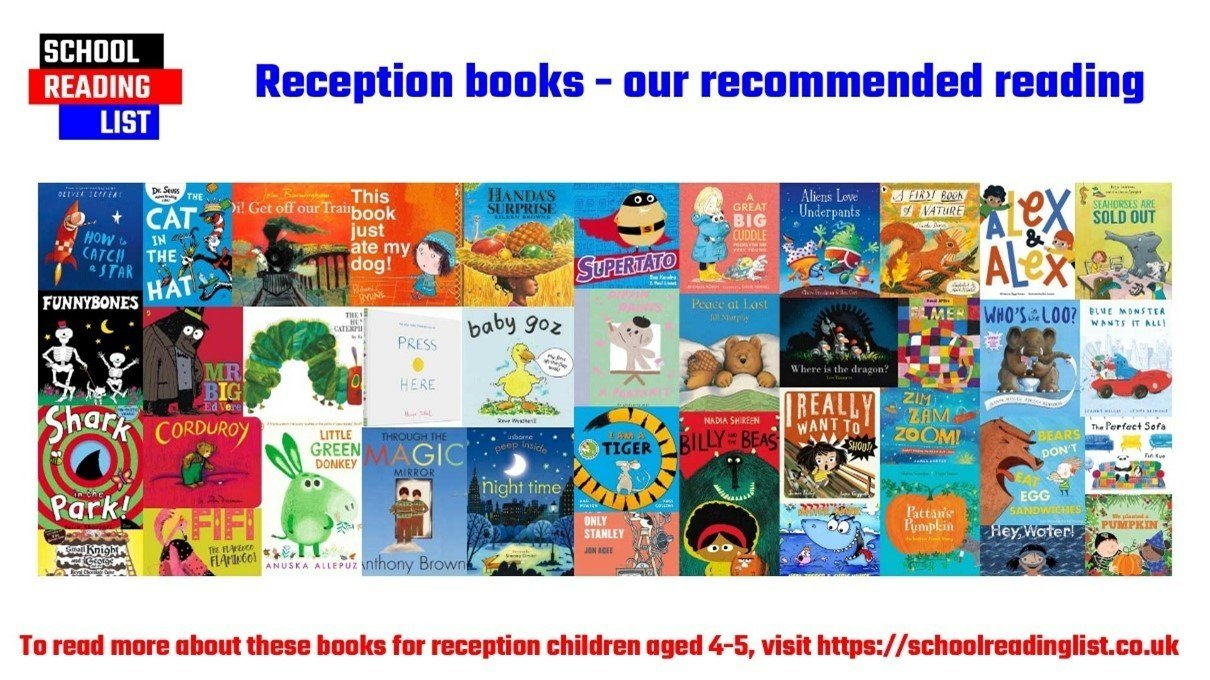
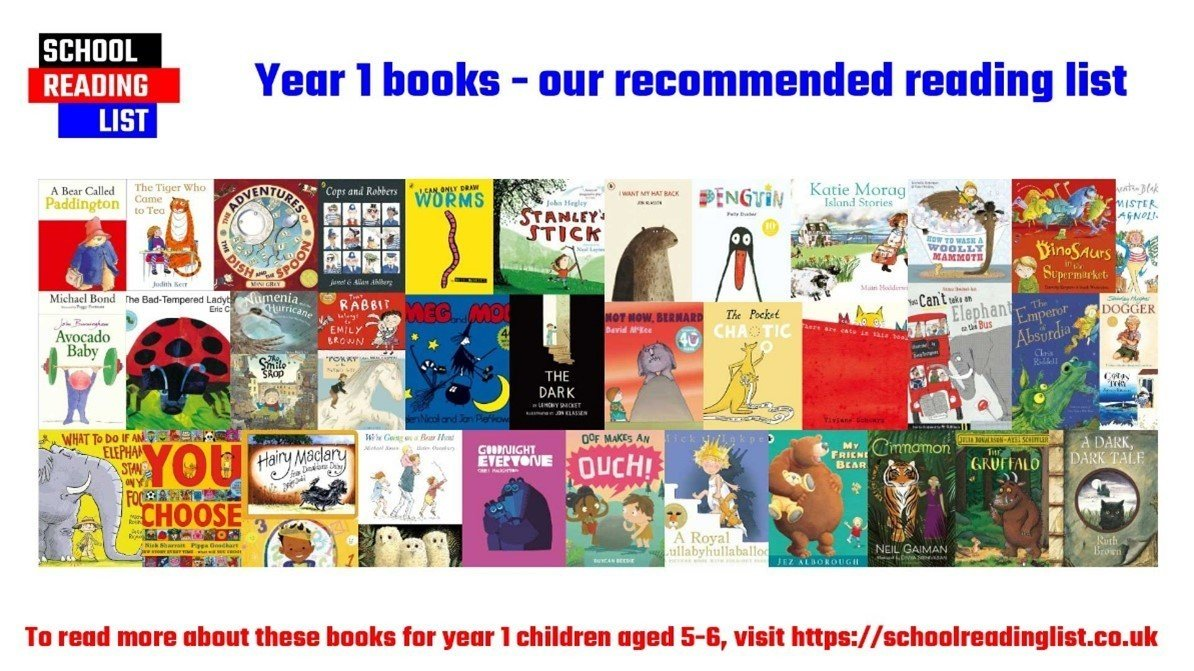
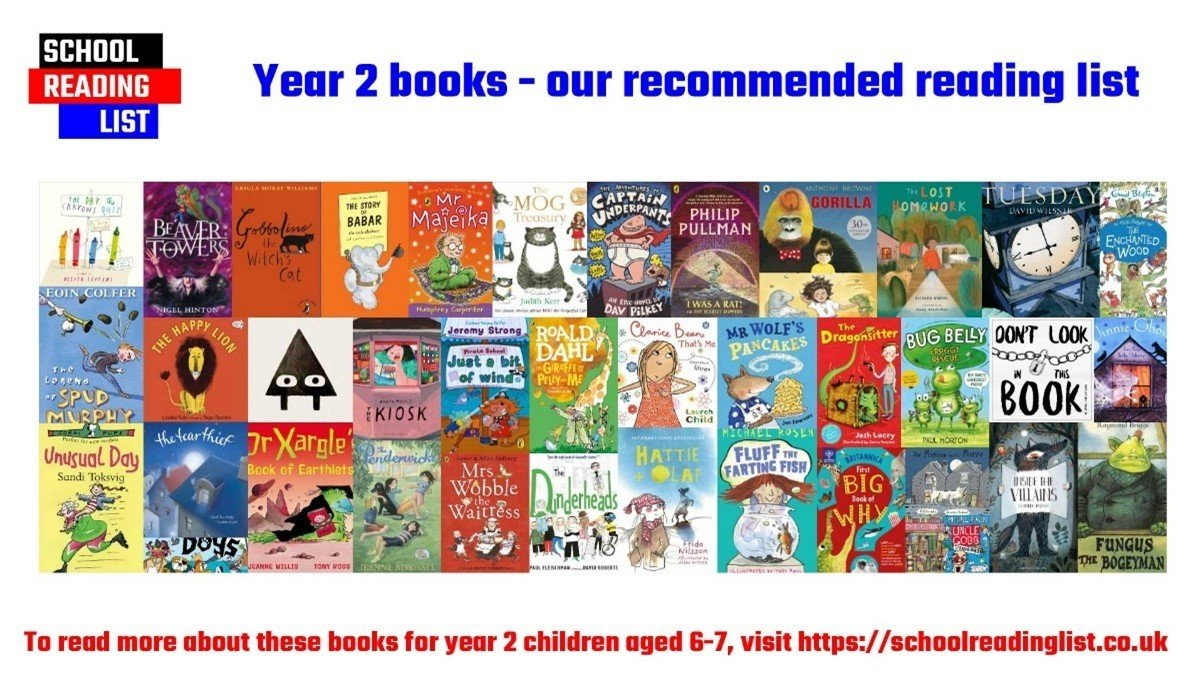
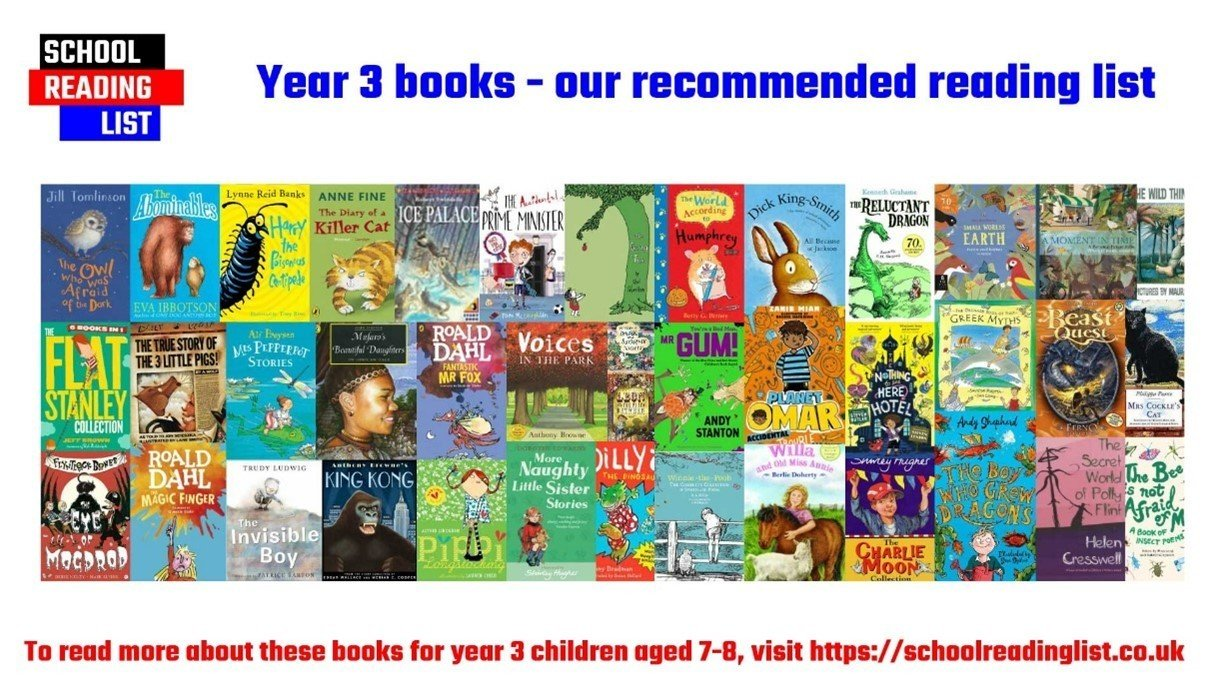
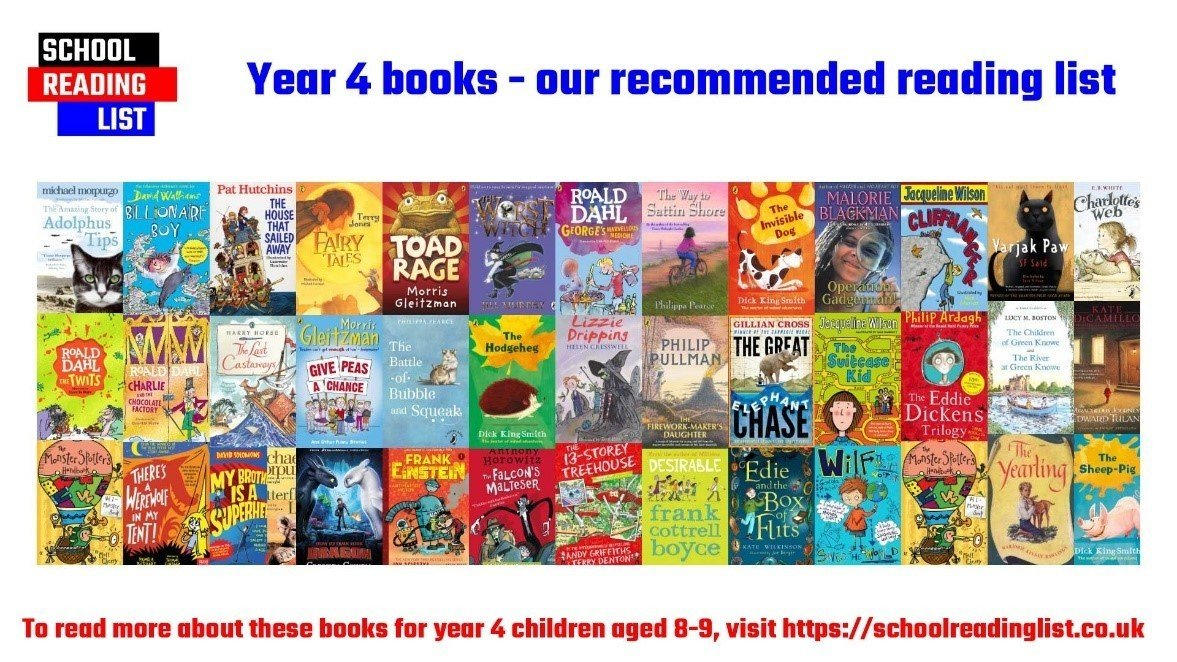
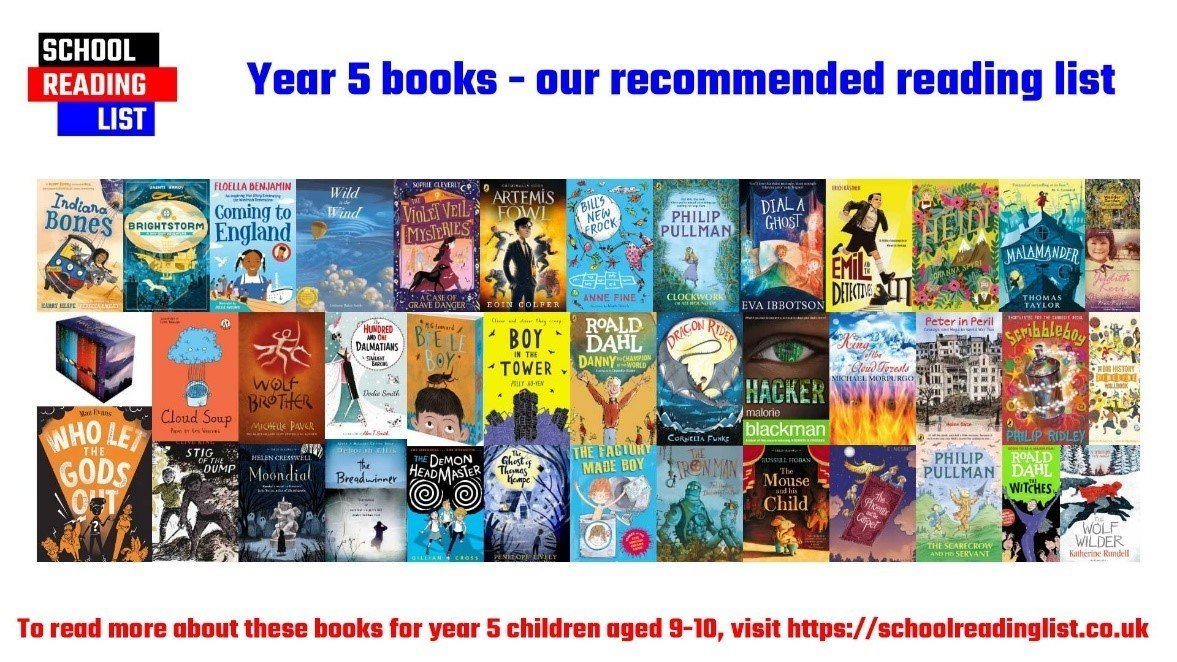
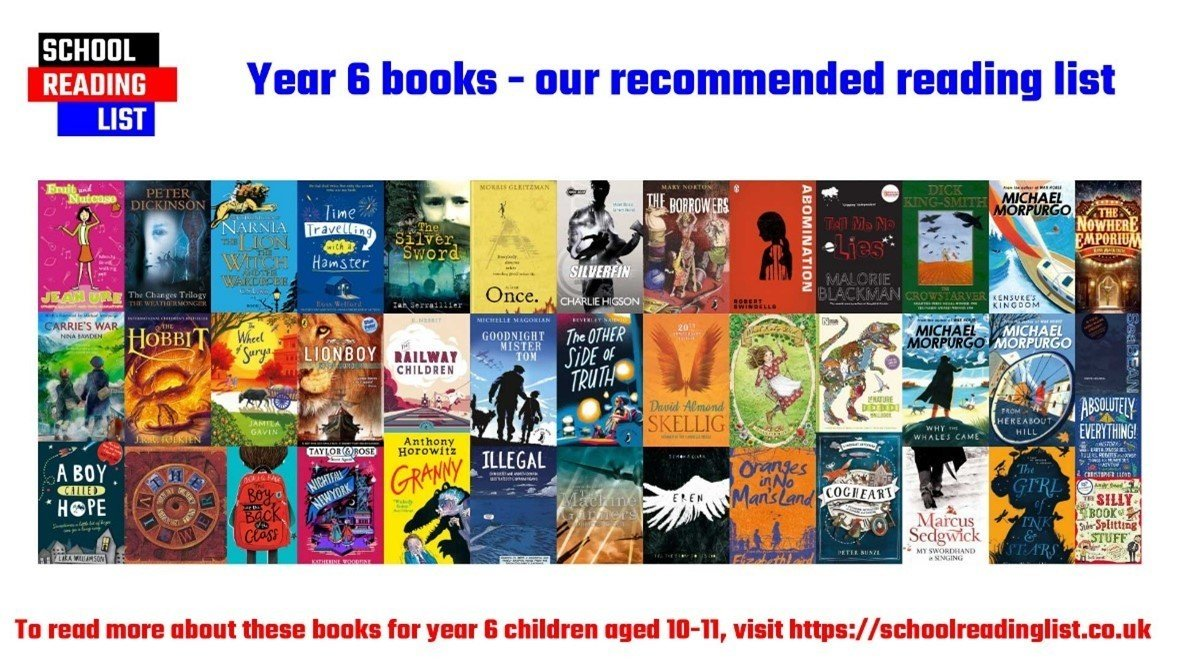
Below are recommended reads for each year group, that you may like to enjoy at home.